Avocados Are Having Us All Fooled: A Field Guide to America's Fake Tropical Fruit
Let's address the Hass in the room.
Somewhere along the way, America decided the avocado was tropical. It's in the tiki drinks, the 'tropical' brunch boards, the beach-themed restaurant menus with the palm tree clip art. Avocado toast with a side of 'island vibes.' Friends, I regret to inform you that your toast has a Mexican passport, not a Hawaiian one — and the actual tropical fruits are tired.
First, the Geography Lesson Nobody Asked For
The avocado, as we know and overpay for it, comes overwhelmingly from one place: Michoacán, Mexico. We're talking over a billion pounds of it crossing the border into the US every year for the Super Bowl alone. That's not a tropical breeze. Michoacán sits at elevation, with volcanic soil and cool nights. It's less 'palm trees and steel drums' and more 'highland orchards where it gets chilly.'
Is Mexico technically in the tropics? Parts of it, sure, and avocados do grow in tropical climates. But 'tropical' in the American imagination means a very specific fantasy — coconut, hibiscus, a hammock somewhere. The avocado has been riding that aesthetic coattails without ever earning the lei.
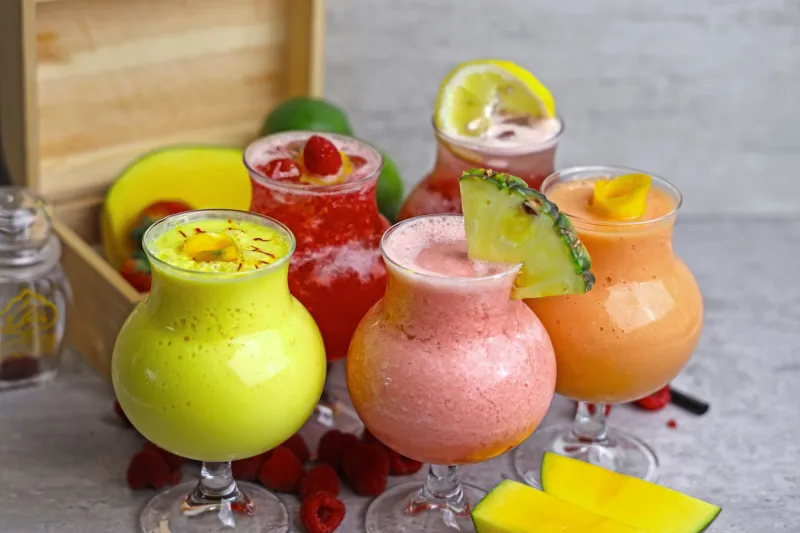
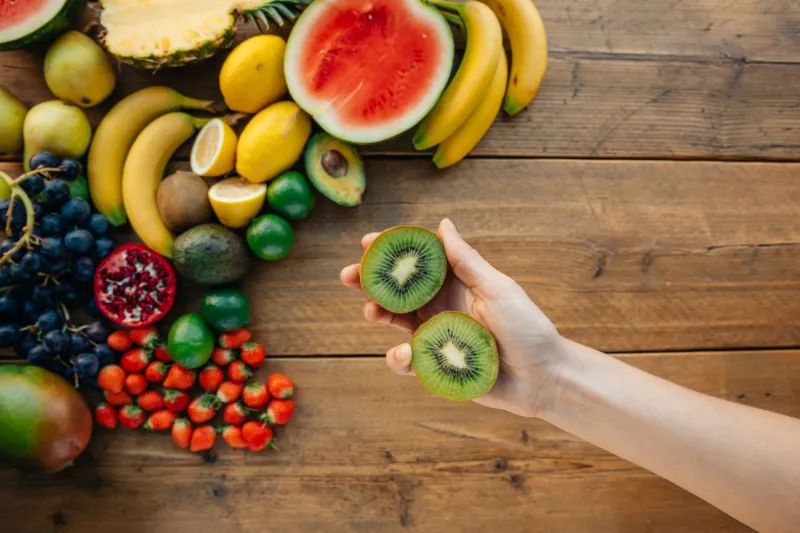
Meanwhile, the fruits actually living that tropical life — mangoes, papayas, guavas, passion fruit, lychees — get treated like mystery box contestants on a game show. 'What will you do with THIS one, contestant?' Buddy, people have been eating them deliciously for thousands of years. Ask them.
The Supply Chain Is a Story, Not a Sticker
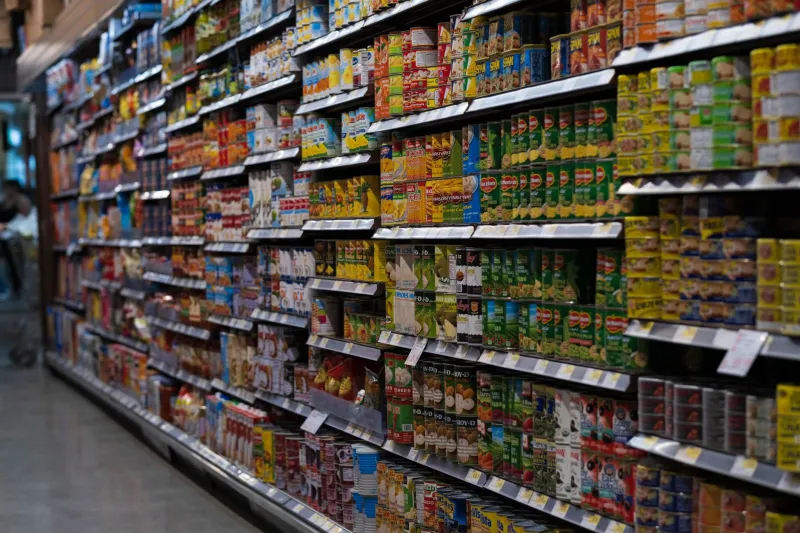
Here's the thing we forget when we're grabbing a perfectly uniform bag of avocados at Costco: every piece of fruit is the end of a very long journey.
Your guacamole avocado likely grew on grafted trees in Michoacán, was picked mature-but-firm, packed into crates, trucked to a border facility, inspected, cold-stored, distributed to a regional warehouse, and then finally wheeled out to your grocery store, where it will ripen on your counter at a pace that can only be described as a personal affront.
Compare that to the Caribbean-grown mangoes or the Florida avocado (yes, Florida grows its own — bigger, glossier, lower in fat, and unfairly labeled 'watery' by Hass loyalists). Different supply chains, different stories, different flavors. When you know where your fruit comes from, you stop shopping on autopilot. You start noticing that the 'green skin' varieties — the ones we at this very website are named after — behave completely differently than the pebbly Hass you've been smushing for guac since college.
Your 'Tropical' Party Is a Crime Scene
I attended a 'tropical-themed' backyard party last summer. The spread: avocado dip, avocado toast bites, a fruit bowl with exactly one sad pineapple chunk per guest, and — I checked — zero mangoes, zero papayas, zero passion fruit. The playlist, however, was flawless. Credit where due.
This is the identity crisis in action. We've taken the one creamy, mild, inoffensive fruit and made it the entire ambassador of the tropics. It's like deciding Italy's whole cuisine is plain yogurt. Meanwhile the loud, sour, spiky, dramatic fruits — the ones that actually taste like the tropics — are stuck doing novelty appearances in smoothie shops at $14 a bowl.
The fix is easy and delicious: diversify the party. Avocado can still come (it's a good egg, even if it's technically a berry — more on that betrayal later). But it doesn't get to headline alone anymore.
Three Ways to Shop Like You Know Better
1. Read the sticker like it's gossip. Country of origin tells you a story. Mexican Hass, Florida SlimCado, Peruvian import, California-grown — each ripens differently, tastes different, and wants different things from you. The Florida avocado, for instance, is a dream in smoothies precisely because it's less rich.
2. Give the real tropicals a permanent spot, not a guest spot. Buy one fruit you can't pronounce every week. A guava. A passion fruit that looks like it lost a fight. A green mango you'll slice with lime and chile like half the planet does. This is the entire philosophy of this website, and we will not apologize.
3. Let avocado be the supporting actor it was born to be. Avocado's actual superpower is being a buttery stagehand — the crema under the ceviche, the fat that carries the lime and salt. It shines when it's lifting up bigger flavors, like, say, a mango salsa. See where I'm going with this?
The Reconciliation
Look, nobody's canceling guacamole. The avocado earned its spot at every Super Bowl party in America and it can stay. But the next time you're building a 'tropical' menu, do the tropics a favor and invite the fruits that actually grew up there. Your mango deserves headliner billing. Your papaya deserves better than a lukewarm smoothie. And your avocado — well, it deserves the truth.
It's a highland Mexican berry with a great publicist. And honestly? Respect.
Now if you'll excuse me, I have a green mango, a lime, and a bag of Tajín, and absolutely no plans to share.