Sunshine State Harvest: Chasing American-Grown Mangoes From South Florida Groves to Your Local Market Stand
Pop quiz: where does a mango eaten in Miami come from? If you guessed somewhere south of the border, you're usually right — roughly 99% of the mangoes sold in the US are imported. But here's the plot twist most shoppers never hear about: a stubborn, sun-drenched band of American growers has been quietly farming the tropics on US soil for generations. And their fruit? It hits different.
South Florida: The Mango Capital You Didn't Know You Had
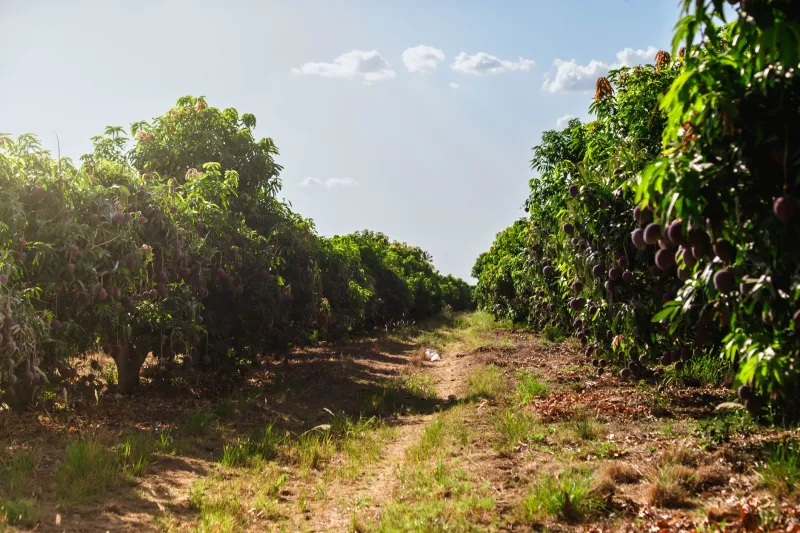
Drive south from Miami toward Homestead and the strip malls give way to something unexpected: rows of mango trees stretching toward the horizon, their canopies heavy from May through September. This is Redland and Homestead country — the closest thing the continental US has to a tropical fruit belt.
'People are shocked when I tell them this mango was picked yesterday, twenty minutes from their house,' one second-generation grower told us at a weekend farmers market, gesturing at crates of blushing, fist-sized fruit. 'An imported mango gets picked green, gassed, and shipped for two weeks. Mine hangs on the tree until it's ready. That's not a marketing line. That's just biology.'
Tree-ripened mangoes develop sugars and aromatics that fruit picked early for shipping simply can't build. It's the same reason a backyard tomato in August ruins supermarket tomatoes for you forever. Once you know, you can't unknow.
Island Operations: Pineapples From Hawaii and Puerto Rico
Then there are the islands. Hawaii's pineapple industry looks nothing like the Dole plantation era — today it's smaller, more artisanal, and focused on varieties like the honey-gold Sugarloaf-adjacent cultivars that actually taste like pineapple instead of pineapple-flavored hotel lobby. Puerto Rico, meanwhile, has been rebuilding its agricultural sector, with small farms supplying both local markets and the mainland with fruit that never sees a cargo ship.
The domestic angle matters here beyond taste. The import supply chain for tropical fruit is, to put it delicately, often sketchy — long cold chains, opaque labor practices, and a carbon footprint the size of a small nation's. Every dollar spent on American-grown fruit shortens that chain dramatically.
The Backyard Economy
Here's our favorite part of the whole story: a shocking amount of American-grown tropical fruit never makes it to a store at all. In South Florida, Southern California, and Hawaii, backyard gardeners with one overloaded mango tree or a guava hedge sell their surplus at weekend markets, church lots, and via neighborhood Facebook groups.
'Selling at the market started because I got tired of composting mangoes,' laughed one Homestead-adjacent hobbyist grower. 'Now I sell out by 10 a.m. and people ask me questions like I'm a professor.'
Your Seasonal Hunt Calendar
Want in? Here's when to strike:
- May–September: South Florida mango season. Farmers markets in Miami-Dade are your best bet; look for named varieties like Keitt, Valencia Pride, and Cogshall instead of anonymous imports.
- June–August: Florida guava and lychee season.
- Year-round (peaks spring/summer): Hawaiian pineapple — check specialty grocers and direct-ship farm programs.
- Late summer–fall: Puerto Rican-grown tropicals hitting East Coast specialty markets.
What to Do With Your Haul
Domestic tropical fruit deserves minimal intervention. Our house rule at Green Skin Mango: eat the first two mangoes plain, over the sink, like an animal. The third becomes salsa. The fourth becomes our favorite weeknight recipe — mango habanero glazed tacos: blend one ripe mango with a habanero, lime juice, and garlic, simmer into a sticky glaze, and toss with roasted cauliflower and black beans. Wrap in tortillas. Try not to weep.
The domestic tropical fruit industry is small, scrappy, and easy to miss — but supporting it means better-tasting fruit, shorter supply chains, and a stronger case for keeping those Homestead groves in the ground. Your move, shoppers.