Seven Days, One Plantain: My Unhinged Week as a Single-Fruit Homesteader
Confession: I've eaten plantains my entire life without ever once respecting them. They've been a side dish. A garnish. The thing sitting sadly next to the rice at the buffet. So last month, in a fit of what my partner called "aggressive blog-brained behavior," I decided to eat only plantain-based meals for seven straight days. Every meal. Every day.
Here's how it went, diary-style, with receipts.
Day 1: Tostones and Hubris
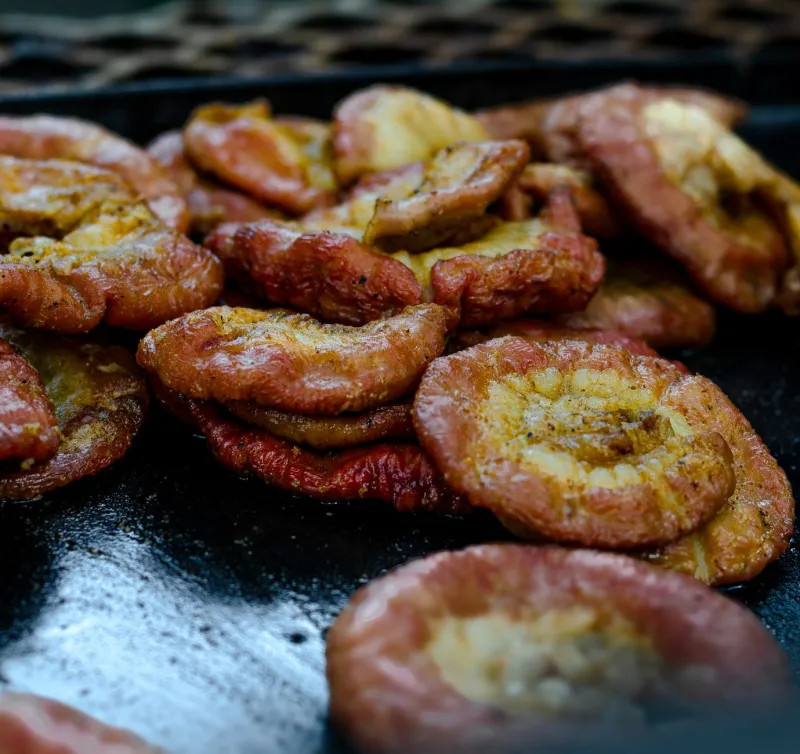
I started strong — twice-fried tostones with garlic-lime dipping sauce. Smash, fry, smash again, fry again. The double-fry isn't a suggestion; it's a contract. Crispy outside, pillowy inside, and I made enough for four people while being one person. Ate them all anyway. Day one verdict: this challenge is easy and I am a genius.
Day 2: The Maduros Era
Ripe plantains — the ones with skin going black-brown and spotty — caramelize into something that belongs in the dessert conversation. I sliced them into coins, pan-fried them in a whisper of coconut oil, and served them over coconut rice with black beans. Sweet, savory, done in fifteen minutes. Day two verdict: still a genius.
Day 3: The Flour Arc Begins
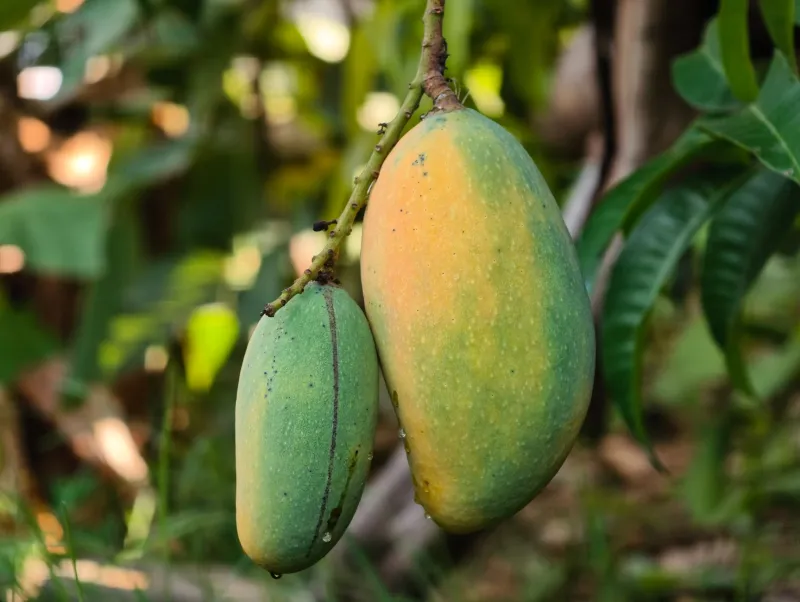
Midweek, I got ambitious: plantain flour pancakes. You can buy plantain flour (look for it labeled as harina de plátano at Latino markets), or dehydrate green plantain slices and blitz them yourself. The pancakes came out dense in a comforting, stick-to-your-ribs way — closer to a hearty flatbread than a fluffy diner stack. Topped with mango and a drizzle of maple. Day three verdict: genius status under review.
Day 4: Plantain Soup, aka the Low Point
I will not pretend Day 4's green plantain and coconut soup was a triumph. It was... fine. Starchy. A little beige, emotionally. But I stirred in ginger, scallion, and a lot of hot sauce, and it became an actual lunch. Day four verdict: even MVPs have off games.
Day 5: Mofongo Appreciation Hours
Redemption arc. Mashed fried green plantains with garlic, olive oil, and a mountain of crispy plant-based chicharrón-style mushrooms, pressed into a bowl and flipped out like a sandcastle. This is Puerto Rican comfort food at its finest, and it took the challenge from "weird stunt" to "genuinely life-changing." Day five verdict: I would fight someone for this recipe.
Day 6: Plantain Chips and the Long Game
Thin-sliced, salted, baked until they shatter. I made a jar's worth and snacked on them through a movie. Simple. Perfect. Day six verdict: nostalgia in chip form.
Day 7: The Full Circle Plate
Final meal: maduros, tostones, and a plantain-flour arepa situation, all on one plate, like a greatest-hits album. I sat there, 21 plantains deep into the week, and felt something I can only describe as respect.
So How Do Plantains Even Get Here?
Here's the farm-to-table part that stuck with me after the dishes were done. Plantains are the world's most exported banana variety, and the ones in your local supermarket most likely hail from Ecuador, Colombia, Guatemala, or Costa Rica — plus, increasingly, from farms in southern Florida and Puerto Rico serving mainland markets.
Because plantains are a starch, not a dessert fruit, they're harvested green and shipped at cool-but-not-cold temperatures (they're chill-sensitive, so unlike apples, you can't just refrigerate them into submission). They arrive at US distribution centers hard as a bat, then ripen over days in the store or on your counter — which is exactly why you should never buy plantains based on how you want to cook them tonight. Buy green for tostones and mofongo. Buy spotty-black for maduros. Or buy green and practice the ancient art of patience.
It's also worth knowing that plantain farming is a lifeline crop across the Caribbean and Latin America — grown by smallholders as often as by big exporters, intercropped with cacao, citrus, and shade trees. When you grab a bunch at the store, you're usually holding something that traveled a shorter, simpler supply chain than most of the produce around it.
The Verdict
Would I eat only plantains for another week? Probably not — my blender still smells like Day 4's soup. But the challenge changed how I shop. Plantains are cheap, endlessly versatile, naturally plant-based, and they hold a whole culture's worth of cooking knowledge in one curved, stubborn package.
The Caribbean's MVP deserves a starting spot on your roster. Start with the tostones. Thank me on Day 2.