Coconut Went From Dietary Villain to Smoothie Bowl Royalty — Let's Talk About How We Got Here
Somewhere in your kitchen right now, there's a jar of coconut oil. Maybe it's in the pantry. Maybe it's being used as a moisturizer because you bought it for cooking, got scared by a headline, and pivoted. Either way, you own it, and that's not an accident. It's the end result of one of the strangest reputational whiplash campaigns in modern food history.
The Fat That Fell From Grace
For most of the late 20th century, coconut was public enemy number one in American nutrition circles. Saturated fat was the boogeyman, and coconut was basically pure saturated fat wearing a tropical shirt. The major health organizations put it in the same bucket as butter and lard, and the tropical oils industry — which once ran on coconut and palm — collapsed almost overnight in the US. Food manufacturers switched to partially hydrogenated vegetable oils, which, in one of history's great ironies, turned out to be dramatically worse for us thanks to trans fats.
So coconut spent the '90s and early 2000s in exile, surviving mainly in curry paste and macaroons.
The Comeback Nobody Saw Coming
Then the 2010s happened, and coconut came back like a roommate who never really moved out. The paleo crowd adopted it as a badge of honor. Wellness influencers discovered medium-chain triglycerides (MCTs), a type of fat metabolized a bit differently than the long-chain fats in, say, bacon grease. Suddenly coconut oil was "brain fuel," and someone was putting it in their coffee at 6 a.m. and calling it breakfast.
Here's the honest middle ground the hype machine skipped: MCTs are real, but coconut oil is only about 60% MCTs, and the science on benefits is far more modest than the marketing suggested. The American Heart Association still side-eyes it. The plant-based community, meanwhile, has a more complicated relationship — coconut is the backbone of dairy-free cooking (more on that below), even if whole-foods purists treat it like a treat rather than a staple.
The truth, as usual: coconut is neither poison nor miracle. It's a delicious, functional fat. Treat it like cream, not like kale.
Why Your Grocery Store Sells Twelve Kinds of Coconut
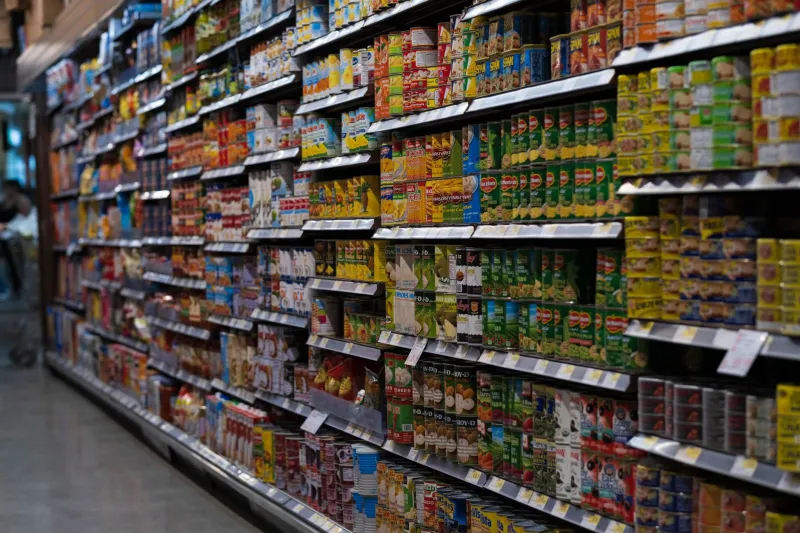
Walk down the natural foods aisle and count. Coconut water. Coconut milk (canned). Coconut milk beverage (cartoned). Coconut cream. Creamed coconut in a block. Coconut oil, refined and unrefined. Shredded, flaked, and desiccated coconut. Coconut aminos. Coconut sugar. Coconut flour. Coconut yogurt. Someone is out there selling coconut bacon.
This is what happens when a fat becomes a lifestyle brand. Each product was developed to solve a specific problem, then marketed as a category, then multiplied into a shelf. The confusion is the point — an overwhelmed shopper buys three things.
What's Actually Worth Your Money
Let me save you some shelf space. In a plant-based kitchen, these earn their keep:
Canned full-fat coconut milk. The MVP. This is what makes dairy-free curries luxurious, what whips into coconut whipped cream, what turns a mango lassi plant-based. The carton stuff is watered-down and fine for cereal, but the can is the real deal.
Coconut cream. It's coconut milk with less water. Great for desserts, frostings, and any recipe where you'd otherwise reach for heavy cream.
Unrefined coconut oil. For baking where you want that subtle coconut note — vegan cookies, pie crusts, no-bake bars. (Refined is fine if you don't want the flavor, but honestly, just use whatever neutral oil you like.)
Canned coconut milk, again, because it's that important.
What can wait: coconut aminos (expensive soy sauce cosplay unless you're avoiding soy), coconut sugar (it's sugar with better PR), and coconut flour (absorbs liquid like a sponge and has ruined more gluten-free bakes than I can count — respect it or skip it).
The Smoothie Bowl Industrial Complex
Which brings us to the smoothie bowl. The modern smoothie bowl is essentially a coconut delivery vehicle — coconut milk base, coconut yogurt swirl, coconut flakes on top, photographed on a coconut shell bowl sold by an influencer. It's the final stage of the arc: from banned substance to aesthetic.
And look, a frozen mango smoothie bowl blended with coconut milk and topped with toasted coconut flakes is genuinely excellent. The fat carries flavor, keeps you full, and makes tropical fruit taste more like itself. That's a real culinary contribution, no MCT marketing required.
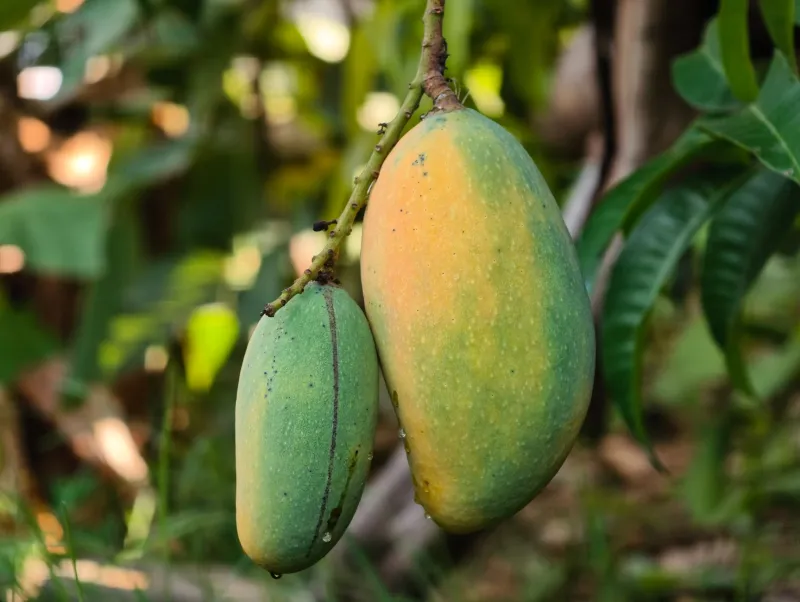
The lesson from coconut's rollercoaster century: be suspicious of any food being crowned or canceled. Mangoes never had to endure this. Nobody wrote a takedown of papaya. Eat the coconut milk in your curry, enjoy the flakes on your smoothie bowl, and let the hype cycle spin without you.